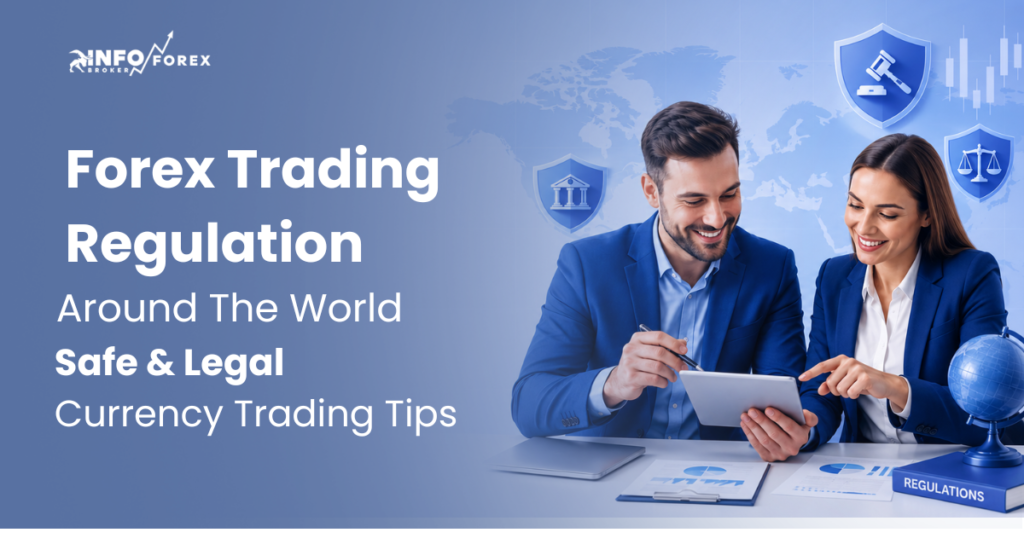
The global foreign exchange market is the largest financial marketplace, with trillions of dollars traded daily. Retail investors and multinational corporations use currency trading to hedge risks, speculate on market movements, or diversify investments. However, the opportunities in Forex are built on a crucial foundation: Forex Trading Regulations.
The Forex industry is vulnerable to fraud, manipulation, unethical broker practices, and financial scams without proper regulation. Regulations provide transparency, accountability, and fair treatment for traders. Understanding Forex Trading Regulations helps you select reliable brokers, protect your capital, and trade confidently.
What are Forex Trading Regulations?
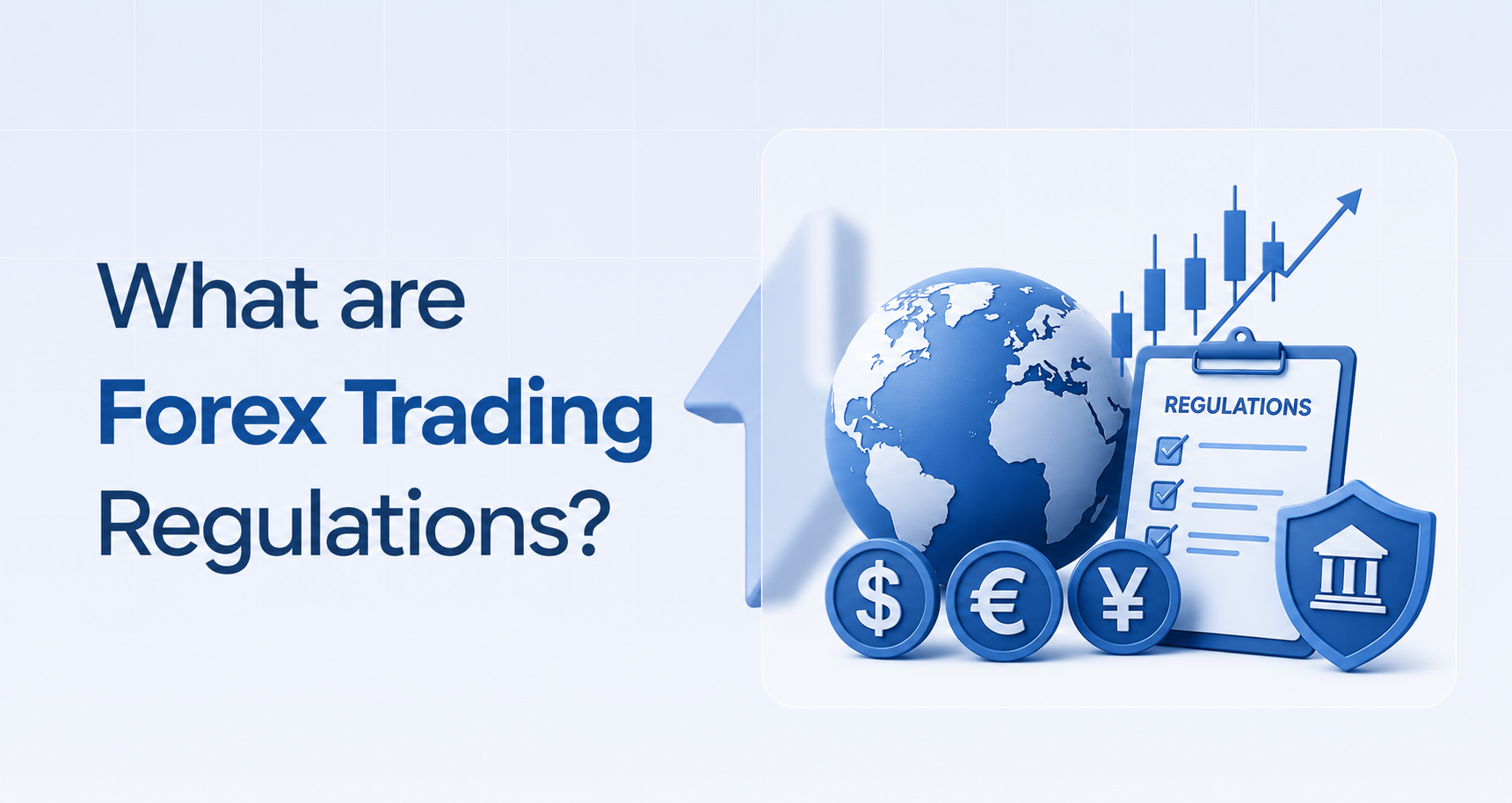
Forex Trading Regulations are a set of legal rules, compliance standards, and financial policies. These are imposed by government agencies and financial watchdogs on Forex brokers and trading platforms to ensure that brokers operate fairly, maintain financial stability, and protect client funds.
Regulatory authorities establish guidelines related to:
- Client fund protection
- Leverage limitations
- Anti-money laundering compliance
- Risk disclosures
- Capital requirements
- Fair advertising practices
- Transparency in pricing and execution
When a broker is regulated by a reputable authority, traders gain greater confidence that the company follows strict operational and ethical standards.
Why Forex Trading Regulations Matter
Many beginners focus only on spreads, leverage, and bonds, and forget about regulation, which can be a serious mistake. Regulations are one of the most important things to consider when picking a Forex broker because they directly impact how safe your money is and how fair your trading experience will be.
-
Protection Against Fraud
Regulated brokers are regularly audited and must follow strict legal rules, which helps reduce the risk of scams and dishonest behavior.
-
Safety of Client Funds
Most leading regulators make brokers keep client money in separate accounts from the company’s own funds. This way, if a broker goes out of business, traders’ money is better protected.
-
Transparency and Fair Trade
Regulated brokers must provide clear pricing, honest trade execution, and information on fees and risks for currency trading.
-
Dispute Resolution
If a problem comes up between a trader and a broker, regulators often offer ways to file complaints or resolve disputes.
-
Risk Control Measures
Today’s Forex Trading Regulations often set limits on leverage and offer negative balance protection, so traders cannot lose more than they put in. For example, European regulators added extra protections after seeing many retail traders lose large amounts of money.
Major Forex Regulatory Authorities around the World
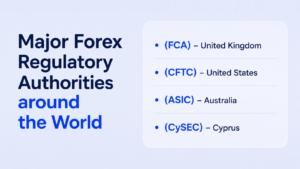
Each and every country has its own financial regulator that oversees currency trading. Some regulators are highly trusted because they enforce rules strictly and protect consumers well.
-
Financial Conduct Authority (FCA) – United Kingdom
The Financial Conduct Authority is one of the world’s most respected regulators. Brokers under the FCA must meet high standards and offer strong protections for traders.
Key FCA rules include:
-
- Segregated client funds
- Negative balance protection
- Strict reporting requirements
- Compensation schemes for eligible clients
- Leverage limits for retail traders
The FCA is known for taking strong action against brokers who fail to comply with the rules.
-
Commodity Futures Trading Commission (CFTC) – United States
The CFTC and the National Futures Association (NFA) oversee Forex brokers in the United States. The US has one of the strictest regulatory systems in the world.
Key regulations include:
-
- Maximum leverage of 1:50 on major pairs
- Strict anti-fraud monitoring
- Mandatory membership with the NFA
- High capital requirements
- FIFO trading rules
Because of these strict rules, fewer Forex brokers can legally operate in the US.
-
Australian Securities and Investments Commission (ASIC) – Australia
ASIC is also a highly respected regulator. Australia has been a major center for Forex brokers for many years because of its strong financial system.
ASIC regulations focus on:
-
- Client fund segregation
- Broker transparency
- Risk management compliance
- Consumer protection standards
In recent years, ASIC has also lowered leverage limits for retail traders to make investing safer.
-
Cyprus Securities and Exchange Commission (CySEC) – Cyprus
CySEC oversees many European Forex brokers since Cyprus is part of the European Union. Brokers licensed by CySEC can usually operate in other EU countries.
CySEC follows European Securities and Markets Authority (ESMA) rules, including:
-
- Leverage restrictions
- Negative balance protection
- Risk disclosures
- Investor compensation measures
CySEC was once criticized for being too lenient, but its standards have improved significantly over the past decade.
Understanding Regulatory Tiers
There are different regulatory tiers with varying rules and regulations. They all have different levels of protection for traders and their trading needs.
These levels are: tier-1, tier-2, and tier- 3 (Offshore regulatory)
| Tier | Regulators | Description |
|---|---|---|
| Tier-1 |
|
It is the safest, most trustworthy, and highly reliable regulator. |
| Tier-2 |
|
It provides moderate protection and decent oversight standards. |
| Tier-3 |
|
|
Key Regulatory Features Every Trader Should Understand
There are a few regulatory restrictions that every trader should understand before creating an account.
-
Leverage Restrictions
Leverage allows traders to control larger positions with Minimum deposits. While leverage can amplify profits, it can also magnify losses dramatically.
-
Negative Balance Protection
It is very important to have negative balance protection, which prevents traders from losing more than they deposit into their trading account.
-
Segregated Accounts
Regulated brokers must keep client funds separate from company operating capital. This helps protect traders if the broker faces financial problems.
-
Risk Warnings
All regulators require brokers to clearly disclose trading risks. Many regulated brokers prominently display the percentage of retail clients who lose money while trading CFDs and Forex.
-
Anti-Money Laundering (AML) Compliance
Forex brokers must verify customer identities and monitor suspicious transactions to prevent financial crimes and money laundering activities.
How Regulations Affect Currency Trading
Forex Trading Regulations influence almost every aspect of currency trading, from account opening to trade execution.
-
Safer Trading Environment
Regulations create a safer ecosystem where traders can focus on strategy rather than worrying about broker misconduct.
-
Reduced Excessive Risk
Leverage caps and risk controls help reduce catastrophic losses among traders.
-
Increased Broker Accountability
Regulated brokers must maintain transparent business operations, undergo audits, and comply with reporting requirements.
-
Better Trading Standards
Regulations encourage higher standards across the industry, including better customer support, improved technology, and fairer pricing.
Risks of Trading With Unregulated Brokers
It has been brought to light that unregulated brokers make unrealistic promises, such as guaranteed profits, huge bonuses, or ultra-high leverage. While these offers may seem attractive, they often come with major dangers.
Potential risks include:
- Withdrawal refusal
- Price manipulation
- Hidden fees
- Poor execution
- No legal protection
- Identity theft
- Fund misappropriation
A fair warning: weak regulation may lead to unethical practices without facing serious consequences.
How to Verify a Broker’s Regulation?
It is important to check these points before opening a Forex account. Furthermore, traders should independently verify a broker’s regulatory status.
- Check the Regulator’s Official Website
- Verify the License Number
- Examine the Broker’s Reputation
- Review Legal Documentation
Tips for Traders Navigating Forex Regulations
- A well-regulated broker is safer than one offering unrealistic promotions or excessive leverage.
- Regulations vary by country, so understand your local laws before trading.
- Stay informed about changes in leverage, tax reporting, and trading conditions.
- Even with strong regulations, Forex trading remains risky.
- Use proper position sizing, stop-loss orders, and disciplined strategies.
- No regulator can eliminate all market risk. Be cautious with brokers or influencers who promise guaranteed profits or “risk-free” trading systems.
A Dime for your Thought
The Forex Trading Regulations form the backbone of a safe and transparent currency trading industry. Regulations provide essential protection for traders against fraud, manipulation, and unethical practices.
From the FCA in the UK to the CFTC in the United States, regulatory bodies play a critical role in ensuring brokers operate responsibly and fairly.
For anyone entering the world of currency trading, understanding forex trading regulations is just as important as learning technical analysis or trading strategies.
Moreover, successful Forex trading is not only about finding profitable opportunities. It is also about protecting your capital, managing risk wisely, and operating within a trustworthy financial ecosystem.