
Market News
Top News
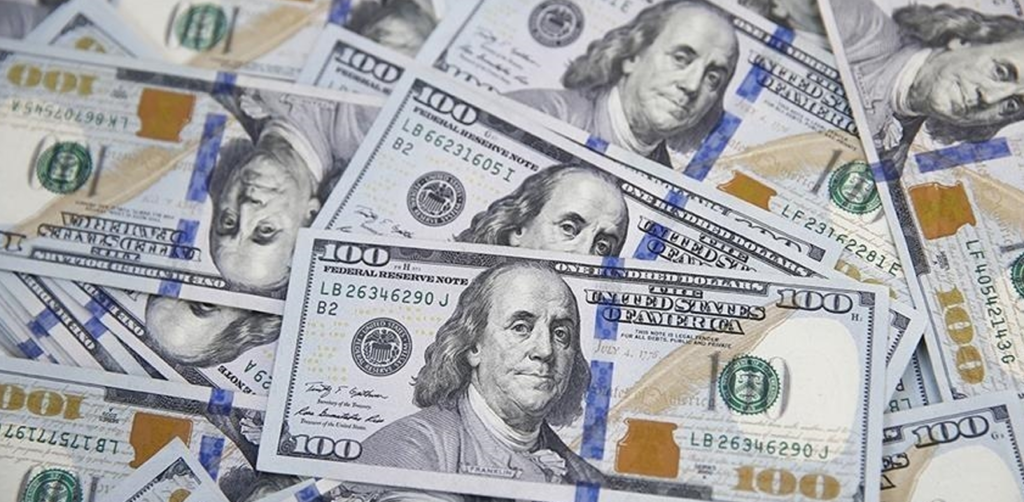
The US Dollar Index (DXY), which tracks the strength of the US Dollar against six major currencies, is showing slight recovery after minor losses in the previous session. It is currently trading near 98.10 during early European trading hours on Tuesday.
Looking at the daily chart, the index is still moving within a descending channel, which generally signals a downward trend. This keeps the overall outlook slightly negative for now.
In the short term, the bias remains bearish as the index is trading below both the 9-day and 50-day Exponential Moving Averages (EMAs). The 14-day RSI is also hovering around 40, indicating weak momentum and suggesting that sellers are still in control after the recent decline.
If the downside continues, the index could move toward the lower boundary of the channel near 97.20. A clear break below this level may increase selling pressure and push the index toward 95.56 — its lowest level since February 2022, last seen on January 27.
On the upside, immediate resistance is seen around the 9-day EMA near 98.40. Beyond that, the upper channel boundary near 98.70 and the 50-day EMA at 98.83 could act as strong resistance levels. If the index manages to break above this zone, it may shift the sentiment to bullish and open the door toward 100.64, which is close to a 10-month high recorded on March 31.



Most recent News

Gold (XAU/USD) continues to trade on a weaker note after failing to break above the $4,800 level in the previous session. However, the downside remains limited as the metal moves within a familiar range during Friday’s Asian session. Prices are holding above $4,750 as traders stay cautious ahead of the upcoming US Consumer Price Index (CPI) report, which is expected to provide clearer direction.
Market expectations suggest that inflation likely increased in March, driven by the recent surge in Crude Oil prices linked to geopolitical tensions. This could reduce the chances of near-term rate cuts by the US Federal Reserve. Supporting this view, the FOMC meeting minutes from March indicated that policymakers are not in a hurry to ease monetary policy due to persistent inflation risks, particularly those stemming from Middle East energy disruptions. Meanwhile, ongoing tensions around the Strait of Hormuz are lending support to the US Dollar, which continues to weigh on gold prices.
Geopolitical developments remain a key driver. Iran recently halted shipping through the Strait of Hormuz following Israeli strikes in Lebanon, escalating tensions in the region. US President Donald Trump criticized Iran’s handling of the situation and warned of potential military action if negotiations fail. These developments have pushed oil prices higher, adding to inflation concerns and strengthening expectations of a more hawkish Fed stance. Despite this, gold’s decline remains limited due to the lack of strong selling momentum.
At the same time, there are signs of possible diplomatic progress. Israeli Prime Minister Benjamin Netanyahu has called for direct talks with Lebanon, while US officials confirmed that discussions are expected to take place in Washington next week. Additionally, phased US-Iran negotiations are scheduled over the weekend, keeping hopes of a ceasefire alive. This optimism is preventing a sharp rise in the US Dollar and helping gold avoid deeper losses.
Technical Outlook: Gold Moves in a Range with Slight Bearish Bias
From a technical standpoint, gold is showing a neutral to slightly bearish trend as it trades below the 200-period Simple Moving Average (SMA) on the 4-hour chart. This level aligns with the 61.8% Fibonacci retracement of the recent decline, making it a strong resistance zone.
The Relative Strength Index (RSI), currently near 56, suggests mild buying interest after the recent pullback. However, the Moving Average Convergence Divergence (MACD) has slipped slightly into negative territory, indicating fading bullish momentum and reinforcing resistance near $4,883.
If prices manage to break above this resistance zone, the next targets could be around $4,908, followed by $5,131 and $5,415. On the downside, immediate support lies near $4,751. A break below this level could expose further declines toward $4,595 and $4,401, with stronger support seen around $4,087.
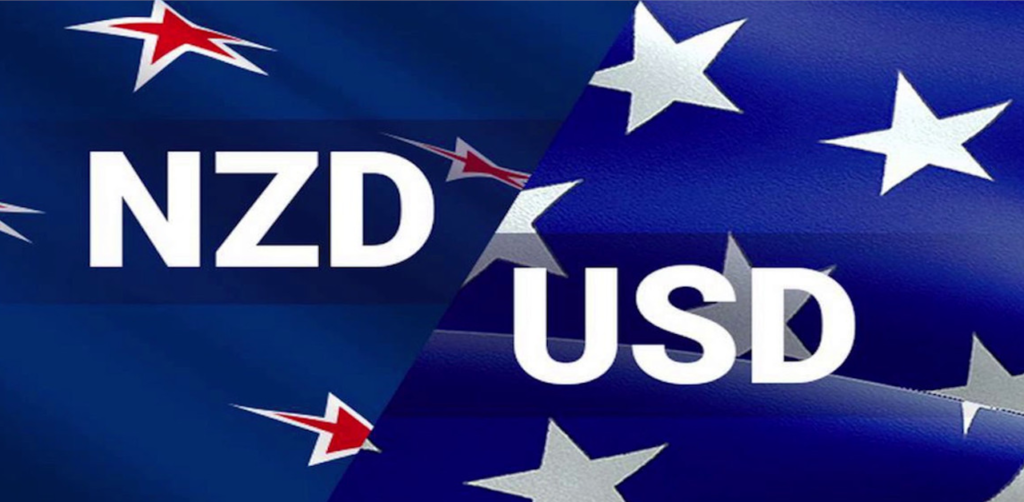
The NZD/USD pair finds renewed buying interest after a mild pullback in the previous session, pushing higher for the fourth consecutive day on Thursday. During early European trading, the pair moves toward the 0.5835–0.5840 range, as buyers attempt to break above the important 200-day Simple Moving Average (SMA), despite mixed underlying fundamentals.
The latest minutes from the March 17–18 FOMC meeting, released Wednesday, indicate that policymakers still anticipate one rate cut by the end of this year and another in 2027. This outlook limits the US Dollar’s recovery from its recent one-month low, providing support to NZD/USD. However, ongoing geopolitical tensions continue to lend strength to the USD as a safe-haven asset, potentially restricting further upside in the risk-sensitive Kiwi.
In the Middle East, Israel launched a series of airstrikes across Lebanon, stating that the ceasefire did not apply due to Hezbollah’s involvement. In retaliation, Iran again halted shipping through the Strait of Hormuz and warned it may withdraw from the ceasefire if attacks persist. Additionally, US President Donald Trump signaled the possibility of renewed strikes if negotiations with Iran fail, highlighting continued escalation risks that could favor the USD.
Market participants remain cautious and avoid strong directional positions ahead of key US economic releases. Focus now shifts to the final Q4 GDP data and the closely watched Personal Consumption Expenditures (PCE) Price Index. Furthermore, the US Consumer Price Index (CPI), scheduled for Friday, will provide additional clarity on the Federal Reserve’s policy path. A sustained breakout above the 200-day SMA is required to confirm further bullish momentum in the NZD/USD pair.

The Pound Sterling continues to strengthen against the US Dollar, with GBP/USD marking its third straight day of gains and trading near the 1.3400 level during Wednesday’s Asian session. The pair is benefiting from a weaker US Dollar, as safe-haven demand declines following the announcement of a two-week ceasefire between the United States and Iran.
Despite the positive momentum, the upside for GBP/USD may remain limited. The easing of geopolitical tensions has led to softer oil prices, which could reduce inflationary pressures in the UK. This, in turn, may allow the Bank of England to revisit its rate-cut stance. Before the conflict, markets were already expecting two to three interest rate cuts in 2026, expectations that were temporarily pushed aside due to the surge in energy-driven inflation.
US President Donald Trump confirmed the ceasefire agreement in a post on Truth Social, stating that the deal is conditional on Iran reopening the crucial Strait of Hormuz. A White House official also noted that Israel has agreed to the temporary truce.
Meanwhile, an Iranian official revealed that further negotiations with the US will take place in Islamabad, Pakistan, starting Friday. The discussions aim to finalize the agreement within 15 days, with the possibility of extension if required.
However, tensions in the region have not fully subsided. Missile alerts continue across parts of the Middle East, with Israel reporting incoming missiles from Iran. Qatar’s Defense Ministry also confirmed that its forces successfully intercepted a missile targeting the country.
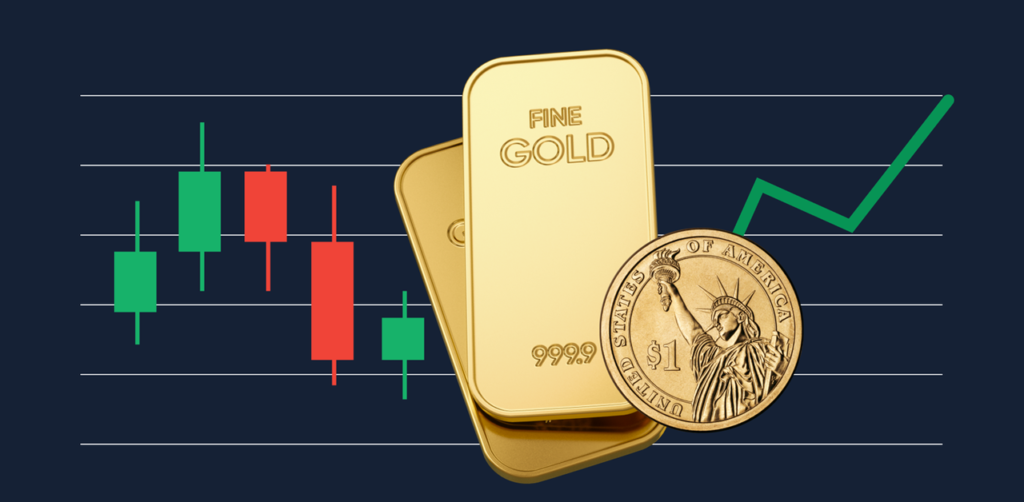
Gold prices (XAU/USD) continue to trade with a negative bias for the third consecutive day. However, the downside momentum remains limited, with prices moving within a broader range established in the previous session during Tuesday’s European trading hours. Market sentiment is being influenced by fading hopes of a last-minute agreement between the United States and Iran, as President Donald Trump’s deadline regarding the reopening of the Strait of Hormuz approaches.
The strengthening US Dollar is adding pressure on gold, benefiting from its safe-haven and global reserve currency status. At the same time, expectations of higher global interest rates are weighing on the non-yielding metal, making it less attractive to investors.
Market participants increasingly believe that rising energy prices, driven by geopolitical tensions, could reignite inflation. This scenario may push major central banks, including the US Federal Reserve, toward a more hawkish policy stance. Supporting this view, crude oil prices have surged to a four-week high following Trump’s intensified rhetoric against Iran, including threats targeting civilian infrastructure if no agreement is reached.
In response, Iranian officials have taken a firm stance. An advisor to Parliament Speaker Mohammad Bagher Ghalibaf stated that Iran will not back down, warning that failure to reach a deal could lead to severe consequences. This escalating tension in the Middle East continues to support elevated oil prices and adds uncertainty to global markets.
On the economic front, recent US data showed mixed signals. The ISM Services PMI dropped to 54 in March from 56.1, indicating a slight slowdown in growth. However, inflationary pressures remain strong, with the Prices Paid Index rising to 70.7. Combined with last week’s strong Nonfarm Payrolls (NFP) report, this reinforces expectations that the Federal Reserve may keep interest rates higher for longer. This outlook further strengthens the US Dollar and puts additional pressure on gold prices.
Technical Outlook: Gold Shows Bearish Bias
From a technical perspective, gold remains under mild bearish pressure. Prices are currently trading below the downward-sloping 200-period Simple Moving Average (SMA) on the 4-hour chart, signaling a weak trend.
The MACD indicator remains in negative territory, suggesting ongoing downside pressure, though momentum is not particularly strong. Meanwhile, the Relative Strength Index (RSI) is hovering around 49, indicating neutral momentum and a phase of consolidation within a broader bearish structure.
On the upside, immediate resistance is seen near $4,607, which aligns with the 38.2% Fibonacci retracement level of the recent decline. A break above this level could open the door toward $4,763, the 50% retracement level. However, as long as prices remain below these resistance levels and the 200-period SMA, upward moves are likely to face selling pressure.
On the downside, initial support is located around the $4,600 level. A break below this zone could push prices toward $4,416, the 23.6% Fibonacci retracement level, where buyers may attempt to stabilize the market.
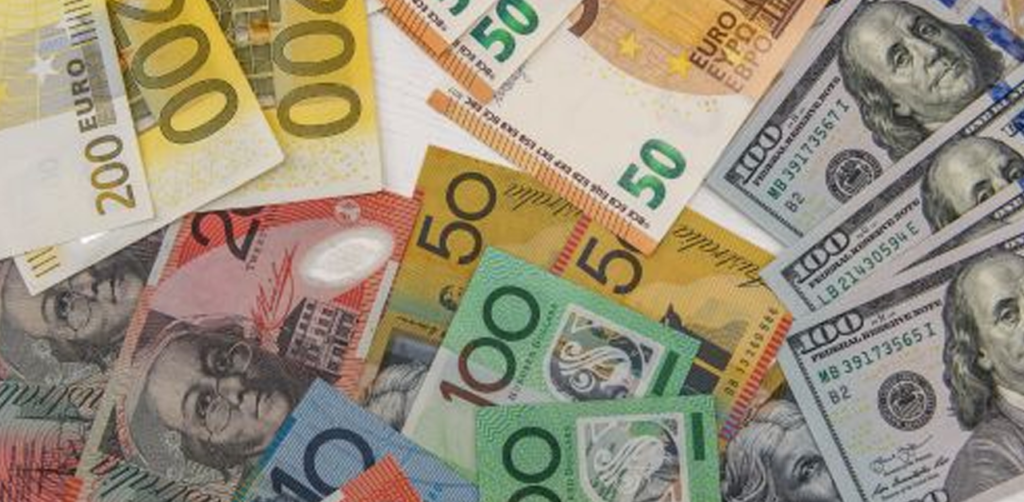
The Euro (EUR) is edging lower against the British Pound (GBP) at the start of a quiet trading week, with several markets closed for Easter Monday. Risk sentiment remains fragile, largely due to rising concerns over a potential escalation in the Iran conflict. At the time of writing, the pair is trading around 0.8720, down from earlier highs of 0.8735, but still holding within its recent range.
Investor caution intensified after fresh warnings from US President Donald Trump, who threatened to target Iran’s infrastructure if Tehran fails to reopen the Strait of Hormuz by the stated deadline. This has added to uncertainty across global markets.
However, earlier reports from Axios indicated that regional mediators are working toward a possible 45-day ceasefire, which could pave the way for a broader peace agreement. While this has slightly improved risk sentiment, conflicting signals from Trump continue to keep traders uneasy.
ECB and BoE policy outlook diverges
From a broader perspective, EUR/GBP remains near one-month highs, supported by the Euro’s relative strength during the ongoing Middle East tensions. Rising inflation pressures in the Eurozone have led European Central Bank (ECB) officials to hint at potential rate hikes. In contrast, Bank of England Governor Andrew Bailey has downplayed the likelihood of tightening policy in the near term.
Looking ahead, market attention on Monday will be on the Eurozone Sentix Investor Confidence index. The data is expected to reflect the impact of geopolitical tensions and energy price shocks on investor sentiment, though it may offer limited support to the Euro.
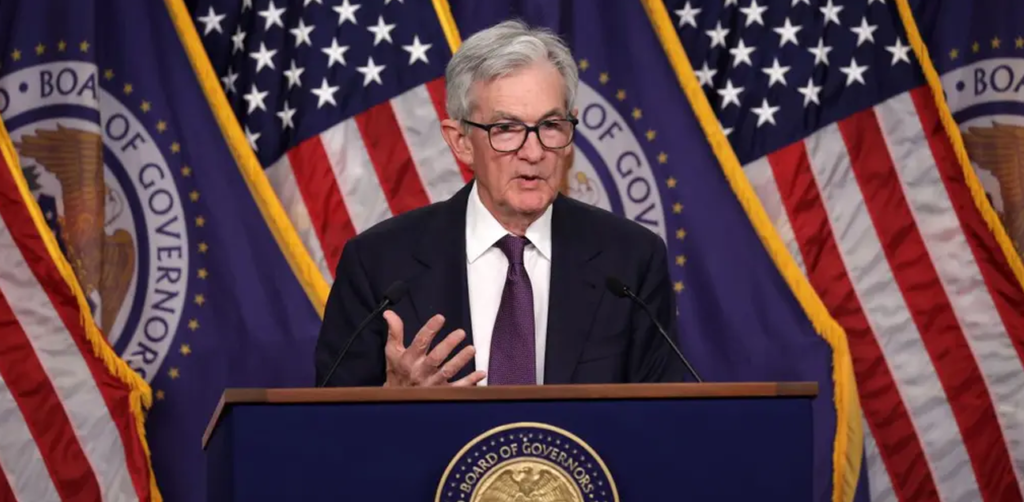
The United States will release its March Nonfarm Payrolls (NFP) report on Friday at 12:30 GMT. This data is closely followed because it gives a clear picture of the job market and helps investors understand what the Federal Reserve might do next on interest rates.
That said, market activity could stay quiet as the release falls on Good Friday, when trading volumes are usually lower.
Modest Job Growth Expected After February Decline
Economists expect the US economy to add around 60,000 jobs in March. This would mark a recovery after February saw a decline of 92,000 jobs, which surprised many.
The unemployment rate is likely to remain unchanged at 4.4%. Wage growth is also expected to stay steady, with average hourly earnings rising about 3.8% compared to last year.
Some analysts are more cautious. TD Securities expects job growth to come in closer to 30,000. They believe earlier disruptions, such as bad weather and strikes, may have distorted previous figures.
They also point out that hiring in healthcare could remain strong, while wage growth may slow slightly on a monthly basis.
Recent Data Shows Mixed Labour Market Signals
Other recent reports show a mixed trend in the job market.
Private payroll data from ADP showed a gain of 62,000 jobs in March, suggesting that hiring is continuing but not evenly across all sectors. Healthcare remains one of the stronger areas.
At the same time, the manufacturing sector is still struggling. The ISM employment index came in below 50, which indicates contraction in factory jobs.
Danske Bank also expects weaker job growth and warns that the unemployment rate could rise slightly to 4.5%. According to them, fewer job postings and slower hiring point to a cooling labour market.
Dollar Strength and Fed Uncertainty
The US Dollar performed well in March, supported by cautious market sentiment and rising oil prices, which increased concerns about inflation.
Federal Reserve Chair Jerome Powell recently said the central bank is in a position to wait and assess the situation. He also noted that job creation has slowed and entering the job market has become more difficult.
New York Fed President John Williams added that weak hiring trends may be affecting overall confidence in the economy.
Interest Rate Outlook Remains Unclear
Markets currently expect the Federal Reserve to keep interest rates unchanged in the coming months. There is now a strong belief that rates will stay within the 3.5% to 3.75% range through 2026.
This marks a shift from earlier expectations, when many believed the Fed would cut rates this year.
What to Watch in the NFP Report
If job growth comes in stronger than expected, especially above 70,000, it could support the US Dollar and raise the chances of tighter policy.
On the other hand, a weaker number below 50,000, especially if unemployment rises, could put pressure on the dollar and support the euro.
Still, other factors like oil prices and global tensions may continue to influence the market, regardless of the data.